Fall prevention is crucial in senior living facilities, where falls are one of the leading causes of injury, loss of independence, and hospitalization for older adults. At Orion’s Fitness, we’re dedicated to preventing anything that keeps your residents from achieving 100% of their potential. So, here’s a detailed guide on fall prevention strategies tailored to a senior living environment:
🛑 Why Fall Prevention Matters
-
1 in 4 Americans aged 65+ falls each year.
-
Falls can result in:
-
Fractures (especially hip and wrist)
-
Traumatic brain injuries (TBI)
-
Long-term disability or death
-
-
Falls often lead to reduced mobility, increased dependence, and higher healthcare costs.
✅ Core Fall Prevention Strategies
1. Environmental Modifications
-
Eliminate trip hazards: cords, loose rugs, clutter.
-
Non-slip flooring in bathrooms and kitchens.
-
Proper lighting: especially in hallways, stairwells, and bathrooms.
-
Handrails and grab bars in bathrooms, hallways, and stairways.
-
Furniture layout that allows easy movement with walkers or wheelchairs.
2. Physical Fitness Programs
-
Focus on:
-
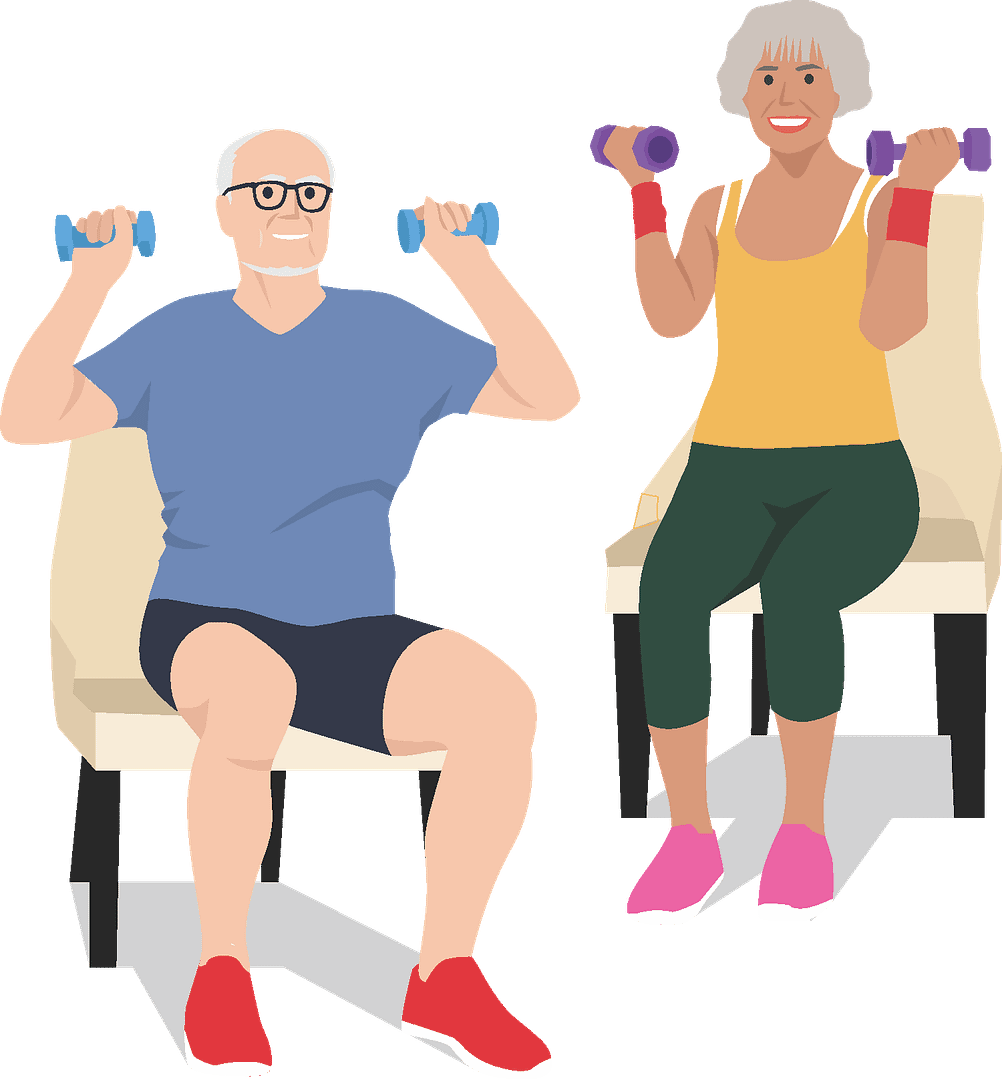
Balance training (e.g., Tai Chi, yoga)
-
Leg strengthening (resistance bands, bodyweight squats)
-
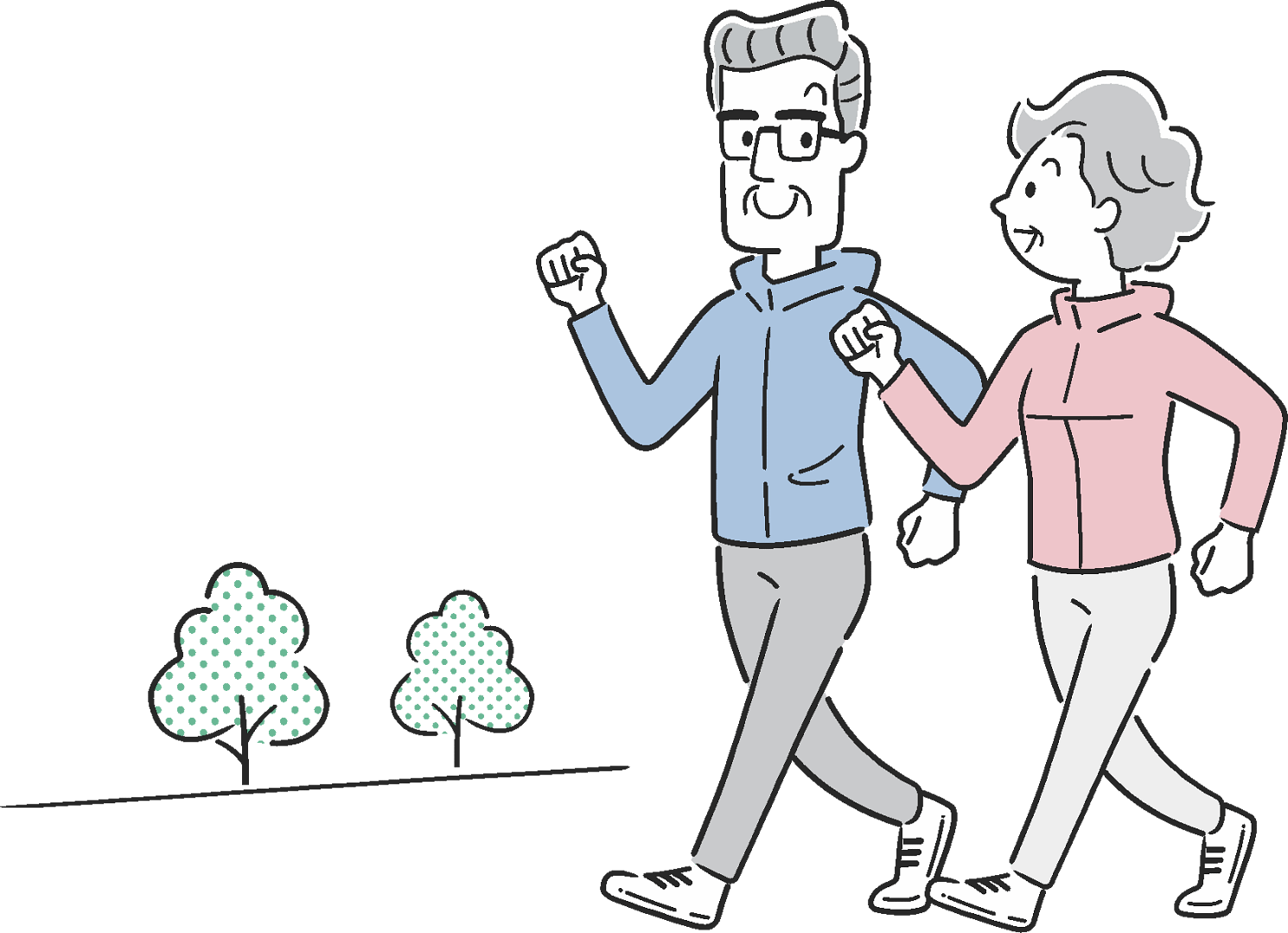
Gait training and walking practice
-
-
Regular activity improves confidence and reduces risk.
3. Medical Management
-
Regular medication reviews:
-
Identify drugs that cause dizziness, drowsiness, or low blood pressure.
-
-
Monitor for:
-
Vision problems
-
Hearing loss
-
Blood pressure drops (orthostatic hypotension)
-
-
Manage chronic conditions like diabetes, arthritis, or Parkinson’s.
4. Footwear & Foot Care
-
Encourage:
-
Well-fitting, non-slip shoes with good support
-
-
Discourage:
-
Slippers, flip-flops, or walking barefoot
-
5. Staff Training
-
Recognize fall risks and early warning signs.
-
Proper transfer techniques (e.g., bed to chair).
-
Response protocols for when a fall occurs.
-
Monitor high-risk residents more frequently.
6. Use of Assistive Devices
-
Encourage proper and consistent use of:
-
Walkers
-
Canes
-
Wheelchairs
-
-
Regularly check that equipment is in good condition and fits properly.
7. Resident Education
-
Promote fall awareness without inducing fear.
-
Teach residents safe movement strategies (e.g., how to get up after a fall).
-
Encourage reporting of near-falls or unsteadiness.
8. Fall Risk Assessments
-
Upon admission and at regular intervals:
-
Use tools like the Timed Up and Go (TUG) test or Morse Fall Scale.
-
-
Identify high-risk residents for targeted interventions.
9. Emergency Preparedness
-
Call systems (e.g., wearable pendants, pull cords).
-
Staff response drills.
-
Clear protocols for post-fall assessment and documentation.
🔁 Best Practices for Ongoing Prevention
-
Monthly safety audits of facility spaces.
-
Fall prevention committees (including staff, management, and possibly residents).
-
Collect and analyze fall incident data to spot patterns or hazards.
-
Family involvement in understanding risk and supporting safety plans.
📋 Example Fall Prevention Program Components
| Component | Example |
|---|---|
| Daily Exercise Class | Balance, strength, flexibility |
| Weekly Medication Review | With nurse or pharmacist |
| Monthly Room Safety Checks | By staff or trained volunteers |
| Staff Training | Fall prevention, safe transfers, emergency care |
| Resident Education | Group workshops or 1:1 coaching |
Want to know more? Contact us to learn how Orion’s Fitness can help your residents move better, feel better, and live better.

Related Posts