
Walking to dinner, getting out of a chair, and enjoying activities with friends all depend on good balance. A Balance and Fall Prevention class helps older adults build strength, improve stability, and move with confidence.
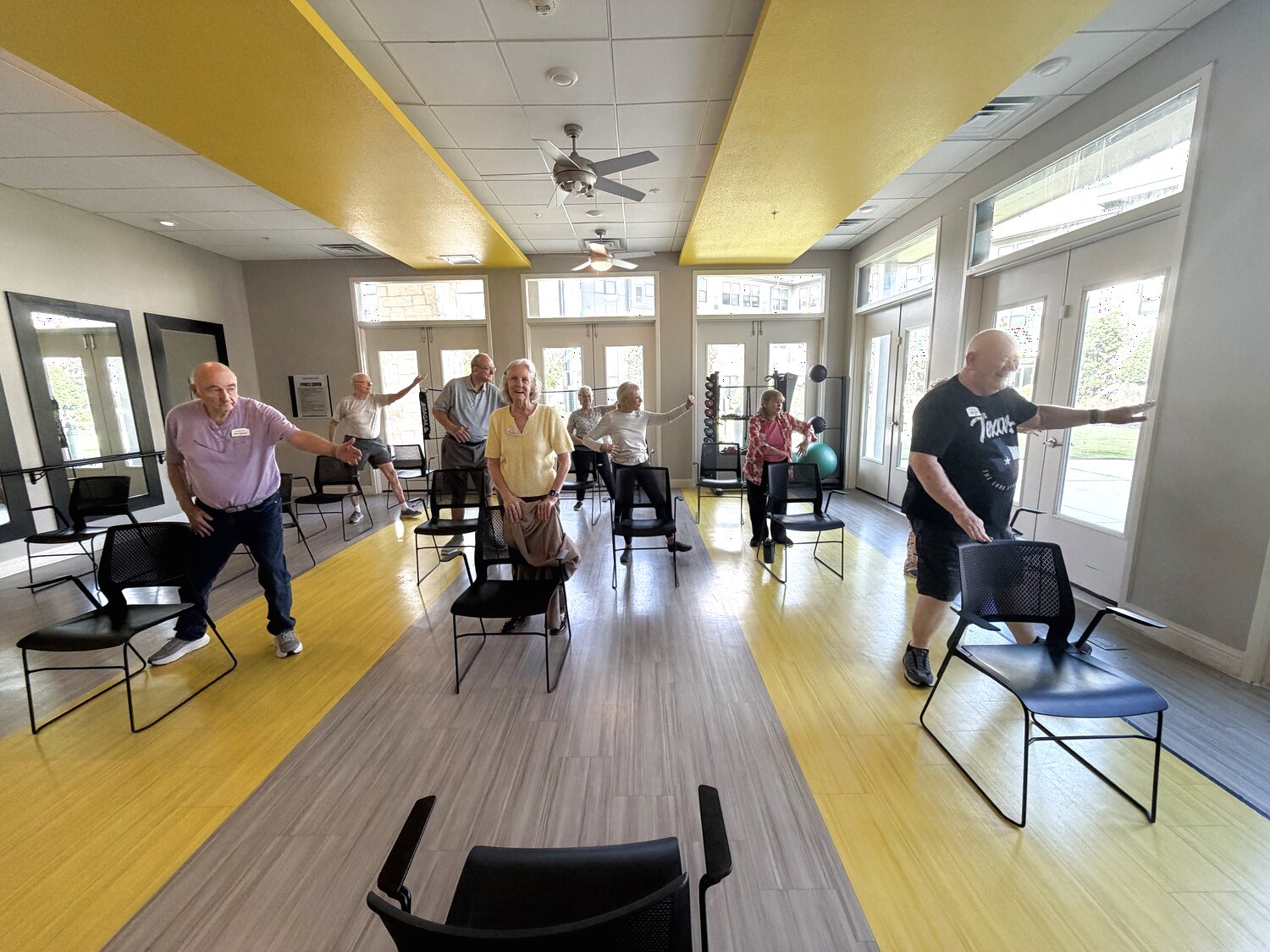
A typical class combines a gentle warm-up, strength exercises, balance and stability practice, functional movement, and a cooldown. Residents participate at their own pace, with chairs or other stable supports when appropriate.
As we age, changes in strength, coordination, and stability can make everyday activities more challenging. Fortunately, regular movement and appropriate exercise can help older adults improve balance, build strength, and feel more confident.
At Orion’s Fitness, we believe fitness should be accessible, engaging, and rewarding for every resident. Curious about what happens in a class? Here is what you can expect.
A typical balance and fall prevention class combines gentle movement, strength exercises, stability training, and functional activities that support everyday mobility.
Our instructors focus on creating an encouraging environment where residents can participate at their own pace. Activities can be adapted to different abilities, helping participants feel comfortable while continuing to challenge themselves.
Classes typically begin with gentle movements designed to prepare muscles and joints for activity. You might experience:
What to expectA comfortable, welcoming start that helps residents prepare for movement and feel ready for the class ahead.
Strong legs, hips, and core muscles provide an important foundation for better balance. Participants may practice:
What to expectSimple, purposeful exercises that build strength and support standing, walking, and getting up from a chair.
Residents work on steadiness, coordination, and body awareness. Depending on individual abilities, exercises may include:
What to expectA supportive experience that encourages residents to challenge their balance safely, with chairs or other stable supports when appropriate.
Balance training is about more than standing steady. Functional exercises focus on movements used throughout the day:
What to expectPractical exercises that connect fitness with everyday independence and mobility.
Classes typically conclude with gentle stretching, breathing, and relaxed movements, giving residents a chance to slow down, reflect on their progress, and finish feeling accomplished.
What to expectA positive ending that celebrates participation, effort, and progress.
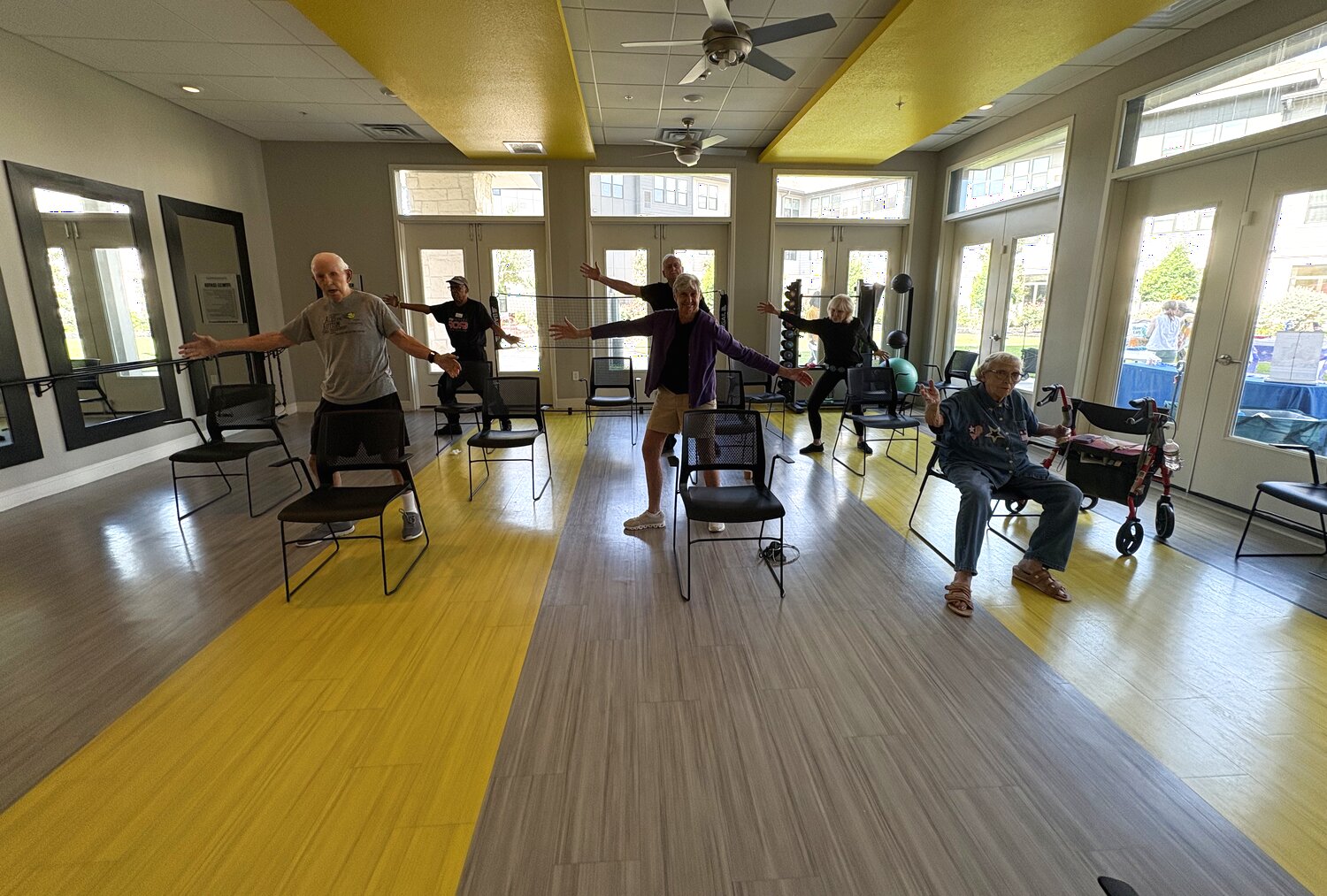
Absolutely not. You do not need excellent balance or previous fitness experience to benefit from a class designed for your abilities. Balance and fall prevention classes can be beneficial for residents who:
Residents recovering from a fall, managing significant mobility challenges, or experiencing dizziness should consult their healthcare provider before participating.
Every resident brings different abilities, experiences, and goals to class. Our focus is on making movement approachable, enjoyable, and meaningful.
Getting started is easier than you might think.
Most importantly, come ready to move, participate, and have fun.
For many older adults, worrying about falling can lead to avoiding activities they once enjoyed. Walking around the community, joining social events, or even standing for extended periods may begin to feel intimidating. Becoming less active can then contribute to additional weakness and reduced confidence.
Balance classes create opportunities to practice movement in a supportive setting while developing strength, coordination, and greater body awareness. As residents become more comfortable with movement, they may also feel more confident in everyday activities.
At Orion’s Fitness, we believe confidence is an important part of healthy aging. Helping residents feel comfortable moving can open the door to more active, engaged lifestyles.
Consistency is one of the most important parts of improving balance. The Centers for Disease Control and Prevention recommends that adults ages 65 and older include balance activities and muscle strengthening exercises as part of a regular physical activity routine.
Participating in scheduled classes and adding appropriate movement throughout the week can help residents establish healthy habits. The right frequency and intensity will vary based on individual abilities, health considerations, and fitness goals. Every movement counts.
Balance and fall prevention programming offers benefits that extend beyond physical exercise. For senior living communities, these classes encourage resident participation, support mobility, and build confidence.
Helping residents feel more comfortable with everyday movement and activities.
Supporting the muscles and movement patterns used for walking, standing, and daily tasks.
Bringing residents together through engaging group fitness experiences.
Making movement an enjoyable and accessible part of community life.
Helping community leadership understand resident engagement through participation reporting.
Orion’s Fitness offers fitness programming for Independent Living, Assisted Living, Memory Care, and Active Adult / 55+ communities, with activities adapted to participating residents’ needs and abilities.
Balance classes can be appropriate for many older adults when exercises are matched to individual abilities and suitable support is available. Residents with medical concerns or a recent history of falls should consult their healthcare provider before beginning a new exercise program.
Common activities include supported standing, weight shifting, heel raises, sit to stand exercises, gentle stepping, and lower body strengthening. Specific movements vary depending on participant abilities and class structure.
Research supports exercise programs that combine balance, functional movement, and strength training as effective ways to reduce fall risk among older adults. While no program can eliminate every risk, regular participation can help improve strength, stability, and confidence.
Often, yes. Once medically cleared, residents may benefit from appropriate balance and strengthening activities. Those recovering from injuries or experiencing significant balance difficulties may need individualized rehabilitation before joining a group class.
Not at all. Balance training can benefit active older adults who want to maintain strength, coordination, mobility, and independence as they age.
Everyone progresses differently. Improvements depend on individual abilities, health, exercise consistency, and the activities performed. Regular participation over time is the best approach to building lasting habits.
Balance is not just about preventing falls. It is about helping older adults keep moving, connecting, and enjoying life. Learn more about our Balance & Fall Prevention program.
Request a Proposal