When people think of fitness for older adults, the focus often lands on physical aspects—improving balance, increasing strength, or reducing fall risk. While these are crucial, the mental and cognitive benefits of regular exercise are just as important, yet often overlooked. Emerging research continues to confirm what many seniors already experience: staying active isn’t just good for the body—it’s fuel for the mind.
1. Exercise and Brain Health: What the Science Says
Studies have shown that regular physical activity can slow cognitive decline and reduce the risk of developing dementia and Alzheimer’s disease. Exercise increases blood flow to the brain, promotes the growth of new neurons, and enhances synaptic plasticity—all key factors in maintaining cognitive function.
Key Benefits:
-
Improved memory and attention span
-
Slower cognitive aging
-
Reduced risk of neurodegenerative diseases
-
Enhanced executive functioning (e.g., planning, decision-making)
2. Mood, Motivation, and Mental Well-being
Exercise plays a major role in emotional health. Physical activity triggers the release of endorphins and serotonin—brain chemicals that naturally improve mood and reduce stress and anxiety. For seniors, this can mean a significant improvement in day-to-day outlook and life satisfaction.
Emotional Benefits Include:
-
Decreased symptoms of depression and anxiety
-
Increased sense of accomplishment and independence
-
Reduced feelings of loneliness, especially in group fitness settings
-
Better sleep quality
3. Social Engagement Through Movement
Fitness classes, walking groups, or swimming sessions offer more than just a workout—they foster community. Staying socially active is vital for mental health, and exercise provides a natural and enjoyable way to connect with others.
Social Benefits:
-
Strengthened social ties
-
Opportunities for shared experiences and accountability
-
Reduced isolation—a major risk factor for cognitive decline
4. Confidence and Cognitive Control
As seniors build physical strength, they often regain a sense of mastery over their bodies, which translates into increased confidence. This empowerment can also sharpen mental clarity and decision-making skills.
Self-Perception Improvements:
-
Increased confidence and self-esteem
-
Sharper focus and reaction times
-
More independence in daily living
5. Best Exercises for Mental and Cognitive Benefits
Not all exercises are created equal when it comes to brain health. The most effective routines often combine aerobic activity, coordination, and mindfulness.
Recommended Activities:
-
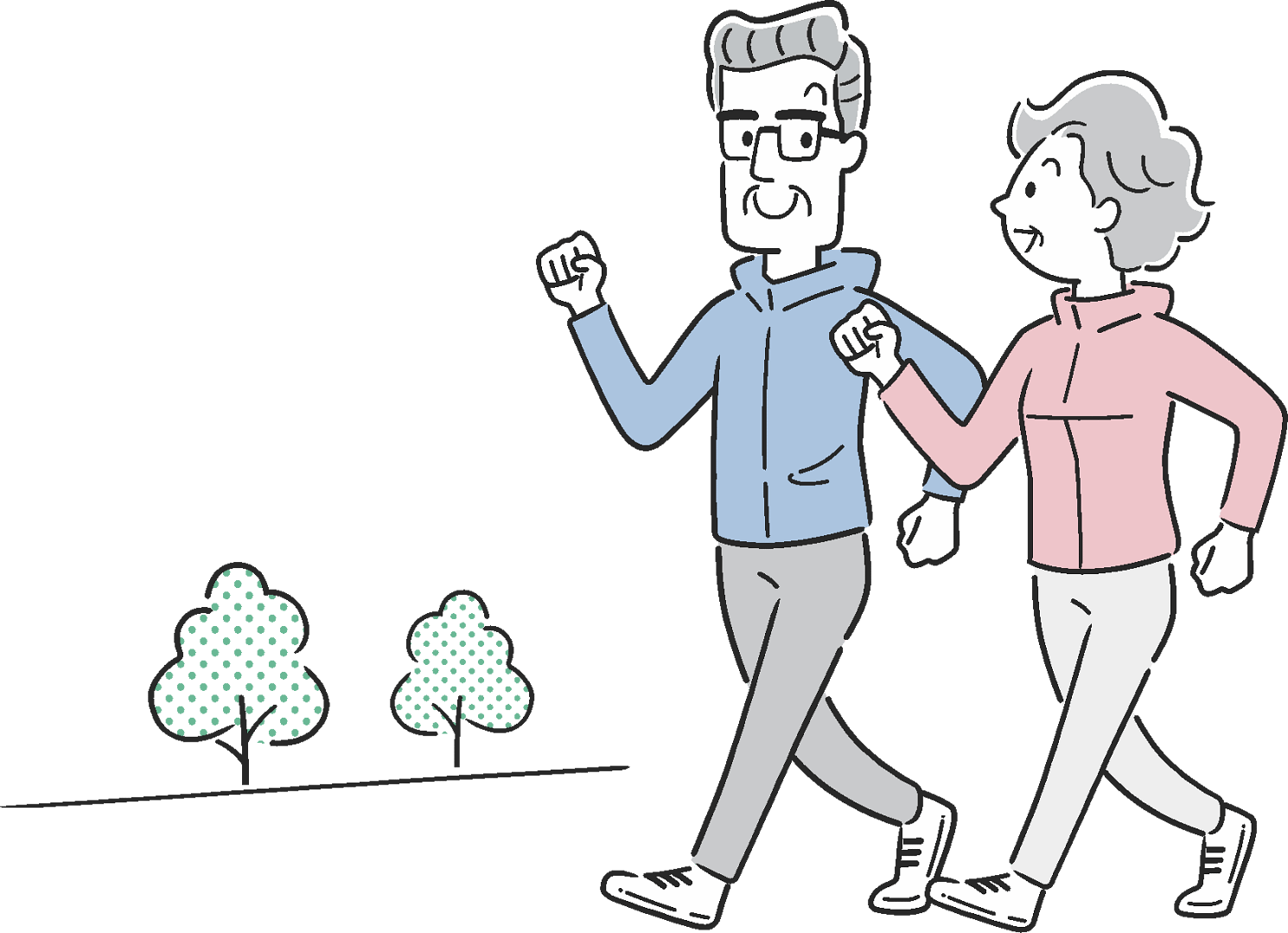
Walking or swimming: Improves cardiovascular health and brain function
-
Tai Chi or yoga: Combines movement with mindfulness and balance
-
Dance or aerobics classes: Involves memory and coordination
-
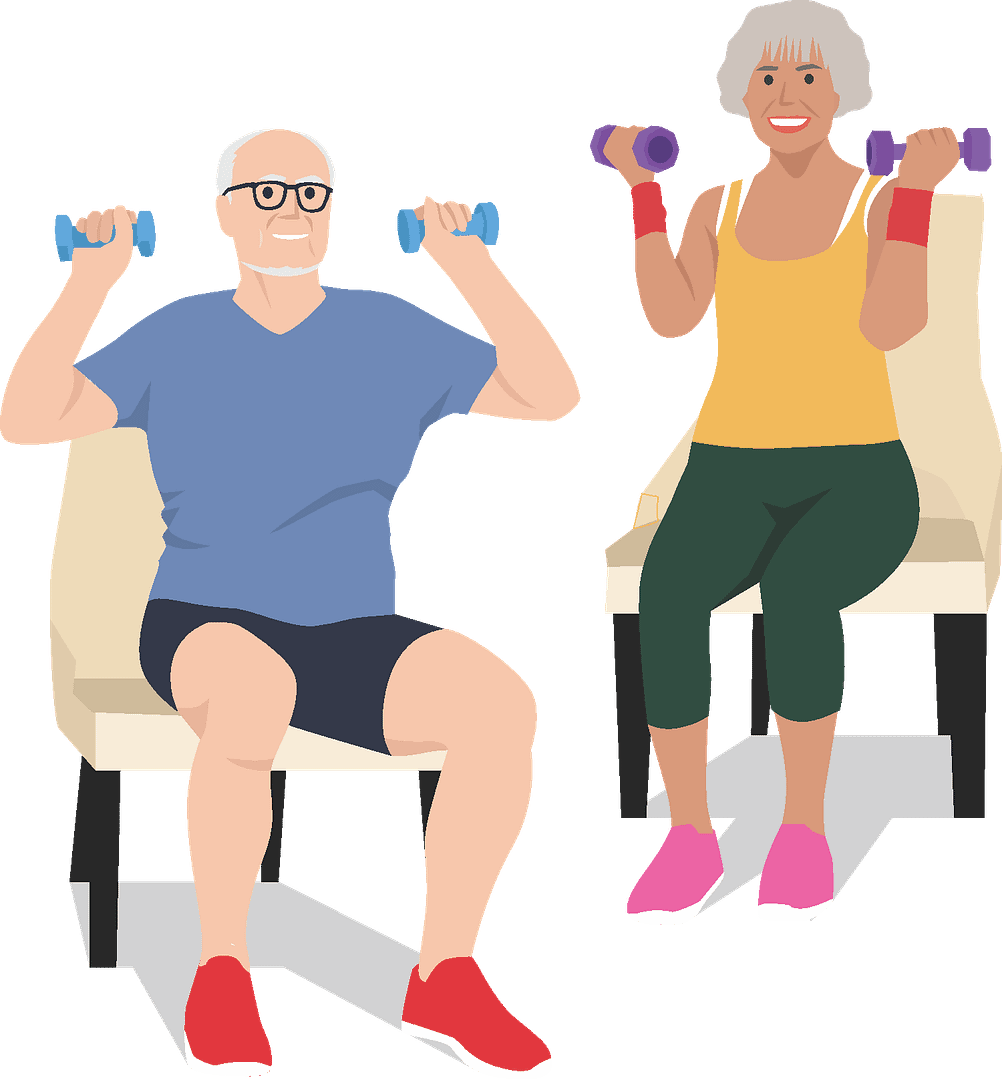
Strength training: Supports both mental and physical resilience
6. Getting Started Safely
For seniors new to exercise or returning after a long break, it’s important to start slow and seek guidance when needed. Working with a physical therapist, trainer, or attending age-appropriate fitness classes can reduce injury risk and build consistency.
Conclusion: A Holistic Approach to Healthy Aging
Senior fitness is far more than a tool for staying mobile—it’s a key to preserving independence, enhancing mood, and keeping the mind sharp. By recognizing the mental and cognitive benefits of exercise, we empower older adults to live not just longer, but better.
Want to know more? Contact us to learn how Orion’s Fitness can help your residents move better, feel better, and live better.

Related Posts