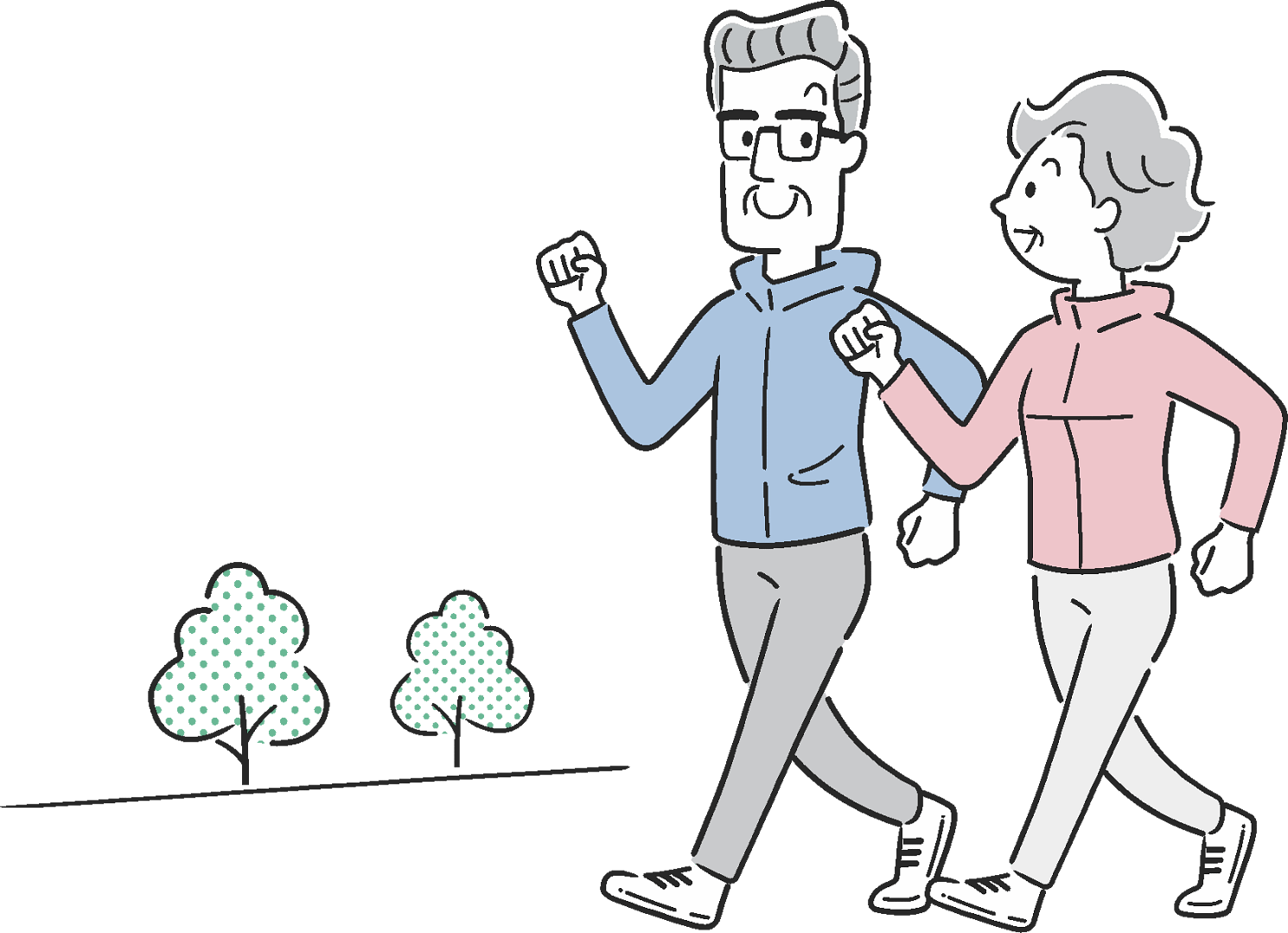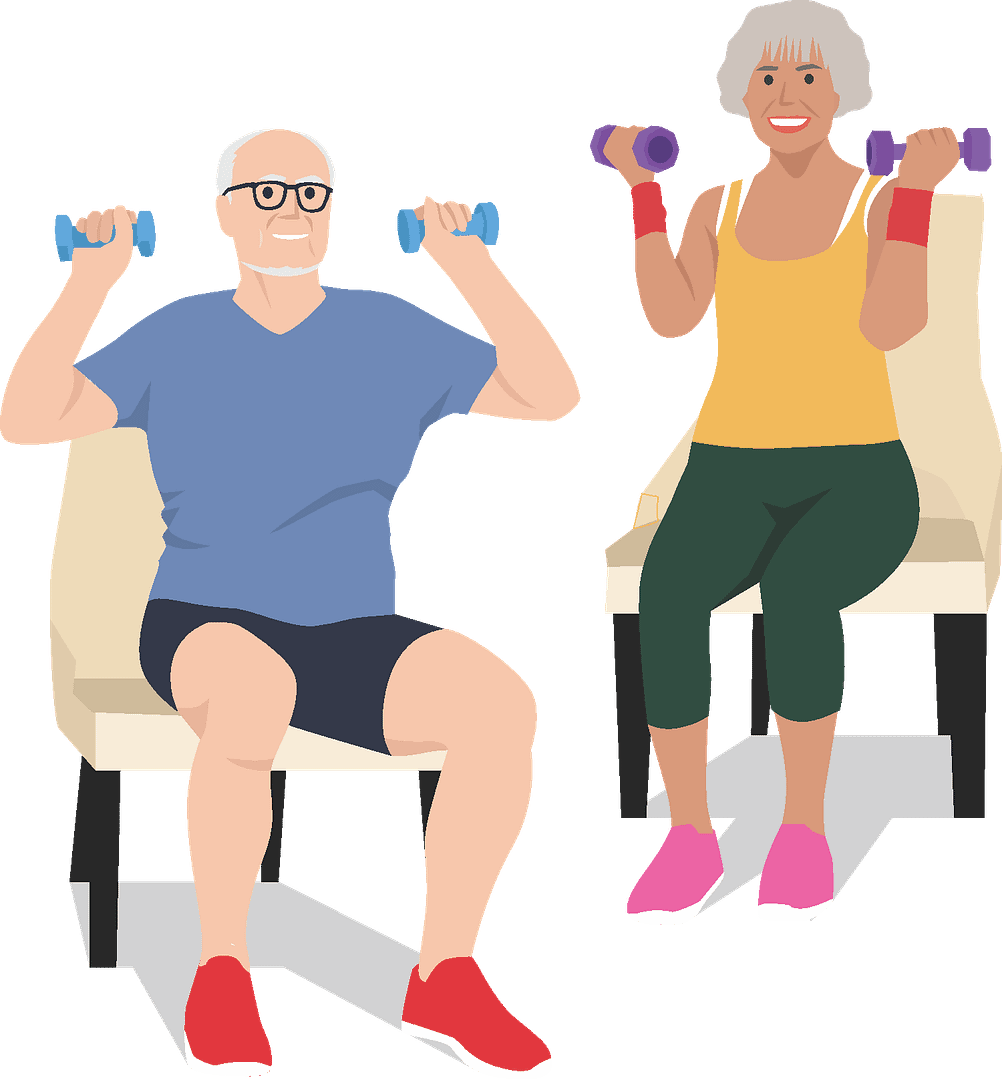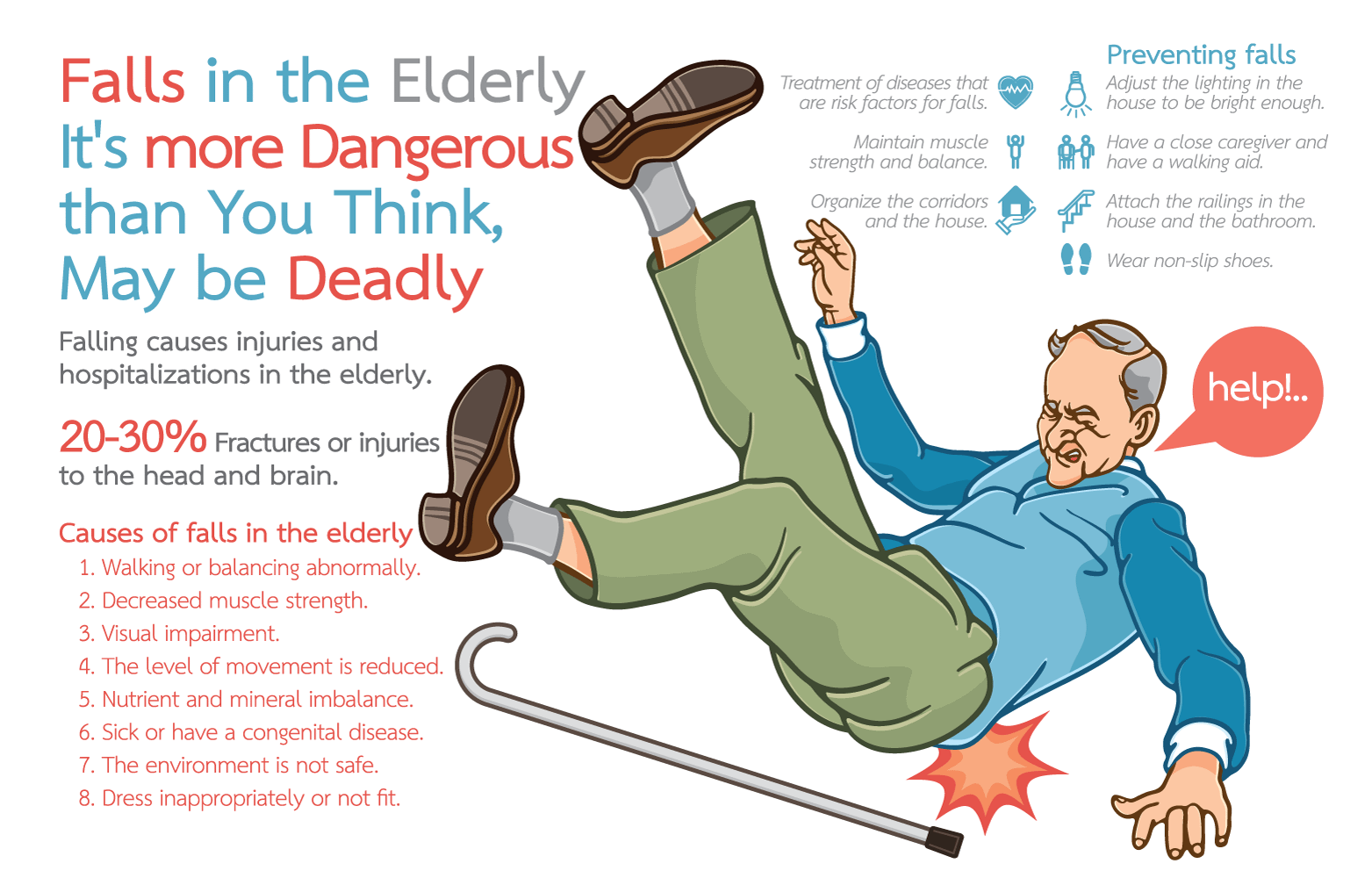
Falls are the leading cause of injury among adults aged 65 and older, often resulting in serious consequences—from fractures to reduced independence. But there’s good news: regular exercise, tailored to seniors’ needs, can significantly reduce fall risk. By focusing on strength, balance, flexibility, and coordination, fitness programs do far more than just build muscle—they help seniors stay safely on their feet and confidently engaged in life.
1. The Scope of the Problem: Why Falls Matter
-
1 in 4 older adults falls each year
-
Falls are the leading cause of injury-related death in older adults
-
Even non-injurious falls can cause fear, which limits activity and leads to further decline
But: Falls are not an inevitable part of aging. Many are preventable through the right physical activity.
2. How Exercise Helps Prevent Falls
Effective exercise programs work in four main areas:
A. Strength Training
Improves lower body strength (especially legs and hips), which is crucial for stability and balance during movement.
B. Balance Exercises
Enhances proprioception (awareness of body position) and trains the body to recover from instability or stumbles.
C. Flexibility & Mobility
Keeps joints limber and improves walking gait, reducing tripping hazards from poor posture or stiff movement.
D. Coordination & Reaction Time
Improves the brain-body connection, helping seniors adjust quickly to sudden changes (like a slippery floor).
3. Proven Programs That Work
Several evidence-based exercise programs have shown strong results in fall prevention:
-
Tai Chi: Slow, controlled movements improve balance and coordination
-
Otago Exercise Program: Designed by physiotherapists, proven to reduce falls by 35–40%
-
Stepping On: Combines strength and balance training with education
-
Matter of Balance: Addresses the fear of falling alongside physical activity
-
SilverSneakers®/Fit & Strong!: Offers structured strength and cardio classes tailored to older adults
4. Key Exercises That Target Fall Prevention
Here are a few exercises commonly used in fall-prevention programs:
-
Sit-to-Stand: Builds leg strength
-
Heel-to-Toe Walk (Tandem Walk): Improves balance
-
Single-Leg Stance: Enhances stability and proprioception
-
Side Leg Raises: Strengthens hip abductors, which are key for walking stability
-
Toe Taps and Step-Ups: Improves coordination and strength
Note: These should always be done with safety in mind—near a chair, wall, or with supervision if needed.
5. The Psychological Impact: Building Confidence
Falls aren’t just physical—they take a mental toll. Exercise builds more than muscle:
-
Reduces fear of falling
-
Increases confidence and independence
-
Encourages daily movement and community engagement
-
Creates a positive feedback loop: the more active seniors are, the more capable they feel
6. Getting Started: Tips for Safe Exercise
-
Start slowly, especially after periods of inactivity
-
Consult a doctor or physical therapist for a tailored plan
-
Use support (a chair, rail, or spotter) for balance work until confident
-
Join a group—many senior centers and YMCAs offer specialized classes
-
Be consistent: 2–3 sessions per week show significant results
Conclusion: Prevention Through Empowerment
Fall prevention is not just about reacting to risks—it’s about proactively building the strength, balance, and confidence needed to move through life safely and independently. With the right exercise routine, seniors can turn fear into freedom, and frailty into resilience.
Want to know more? Contact us to learn how Orion’s Fitness can help your residents move better, feel better, and live better.

Related Posts